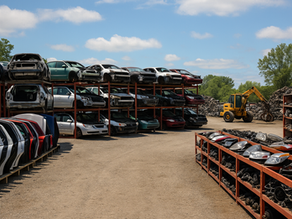
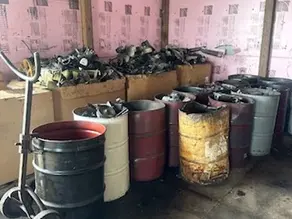
Every vehicle that gets junked contains more than just steel and aluminum. Under the hood, in the brake lines, and in the battery compartment sit a collection of fluids and materials that are classified as hazardous waste under federal and Ohio state law. Motor oil, antifreeze, transmission fluid, power steering fluid, brake fluid, refrigerant, and lead-acid batteries all require proper handling — they cannot legally or safely go into a standard trash bin or be poured on the ground.
For most Ohio residents getting rid of a junk car, this is not something they need to manage personally. When a licensed salvage operation like MK Recycling picks up your vehicle, hazardous fluid removal is part of the professional de-pollution process. But if you are dealing with these materials in another context — a home garage cleanout, a shop floor cleanup, or a vehicle you are parting out yourself — it helps to know the rules and your options.
Why Automotive Fluids Are Regulated as Hazardous Waste
The concern is not hypothetical. Used motor oil, for example, contains heavy metals including lead, cadmium, and chromium that accumulate during the oil's service life. A single gallon of used oil can contaminate up to one million gallons of drinking water if it enters a groundwater supply — a figure the U.S. Environmental Protection Agency has cited in its oil recycling guidance.
Antifreeze (ethylene glycol) is acutely toxic to animals and persistently dangerous in water systems. Brake fluid absorbs moisture and degrades in ways that make it corrosive. Refrigerant from air conditioning systems (R-134a and newer HFO refrigerants) is regulated under the Clean Air Act and must be recovered by certified technicians before a vehicle is crushed — releasing refrigerant to the atmosphere is a federal violation.
Ohio's environmental regulations under the Ohio EPA align with federal Resource Conservation and Recovery Act (RCRA) requirements. Improper disposal of these materials can result in civil penalties for both businesses and individuals.
The Fluids in a Typical Junk Car — and How Each Is Handled
Motor Oil
Used motor oil is the most commonly generated hazardous automotive waste and also one of the most recyclable. Properly collected used oil is re-refined into base stock for new lubricants or burned as fuel in industrial furnaces. The American Petroleum Institute estimates that two gallons of used oil, if properly re-refined, can produce 2.5 quarts of new engine oil, compared to 42 gallons of crude oil to produce the same amount.
In Ohio, retailers that sell motor oil — auto parts stores, Walmart automotive departments, and many service stations — are required to accept used oil from consumers under Ohio Revised Code 3734.901. This means any Ohio resident can drop off used oil at these locations at no charge. Quantities are typically limited to five gallons per visit.
Antifreeze and Coolant
Used antifreeze can be recycled and returned to service. Many auto parts stores that accept used oil will also accept antifreeze. Coolant must be stored in a sealed, labeled container — never mixed with oil or other fluids, which can disqualify it from recycling. Ohio county household hazardous waste collection events also accept antifreeze.
Transmission Fluid, Power Steering Fluid, and Brake Fluid
These are handled similarly to motor oil at most collection points. Brake fluid should be kept separate because its water content and chemical composition differ from petroleum-based fluids. Check with your local collection facility before mixing these with motor oil.
Gasoline and Diesel
Degraded or contaminated gasoline — common in vehicles that have sat for months or years — cannot be used in a running vehicle without treatment and must be disposed of through a hazardous waste channel. Household hazardous waste collection events in Ohio counties accept small quantities. For larger amounts, licensed waste disposal companies serve commercial generators.
Refrigerant (A/C Systems)
This is one of the most strictly regulated materials in a vehicle. Under Section 608 of the Clean Air Act, refrigerant must be recovered using EPA-approved equipment before any component of the A/C system is opened or the vehicle is crushed. Only technicians certified under Section 609 may legally perform this recovery. This is handled automatically at a licensed salvage operation but is a real compliance issue for anyone parting out a vehicle with a working A/C system in a private shop setting.
Lead-Acid Batteries
Car batteries are one of the most successfully recycled products in the United States — approximately 99% of lead-acid battery material is recovered and recycled, according to Battery Council International. Ohio law requires retailers to accept used batteries for recycling when a customer purchases a new one. MK Recycling also purchases used car batteries directly, which means sellers can receive value for a battery rather than simply disposing of it.
Mercury Switches
Older vehicles — generally those manufactured before 2003 — may contain mercury light switches in convenience lighting circuits. Mercury is extremely hazardous and tightly regulated. Licensed salvage operations are required to remove and properly handle mercury switches before vehicle crushing under Ohio's vehicle mercury switch recovery program, which operates in coordination with the Ohio EPA.
Where Ohio Residents Can Dispose of Automotive Hazardous Waste
If you are cleaning out a garage or handling fluids outside of a vehicle sale, here are the primary options available to Ohio residents:
- Ohio county household hazardous waste (HHW) collection events — Most Ohio counties hold free collection events several times per year where residents can drop off motor oil, antifreeze, paint, pesticides, and other household hazardous materials. Check your county's solid waste management district website for the current schedule.
- Auto parts retailers — Most major retailers (AutoZone, O'Reilly, Advance Auto Parts, and others) accept used motor oil and often antifreeze for free. Battery trade-in programs are standard.
- Service stations and quick-lube shops — Many accept used oil, though policies vary.
- Municipal collection programs — Some Ohio cities maintain permanent HHW drop-off facilities. Contact your city's public works or sanitation department.
What Happens When MK Recycling Picks Up Your Vehicle
When MK Recycling collects a junk car, the vehicle goes through a systematic de-pollution process before any metal processing occurs. Fluids are drained and segregated for proper recycling or disposal. The battery is removed and sent to battery recycling. Refrigerant is recovered if the A/C system is intact. This is not optional — it is required under Ohio EPA regulations that govern licensed salvage operations.
From the seller's perspective, this means the environmental handling of your vehicle's hazardous materials is taken care of when you sell it to a licensed, professional operation. It is one of the less-visible but genuinely important distinctions between a licensed salvage yard and informal buyers who may not follow the same protocols.
Selling Your Junk Car the Right Way
If you have a vehicle you are ready to part with, MK Recycling offers free pickup across Bellevue and surrounding north-central Ohio communities. The process is straightforward, the payout is competitive, and the environmental handling is done correctly. Call (419) 706-2807 or use the contact form to get started.
Comments